

Energy-Efficient HVAC Systems & Solutions — Save Energy and Cut Costs at Home or Work
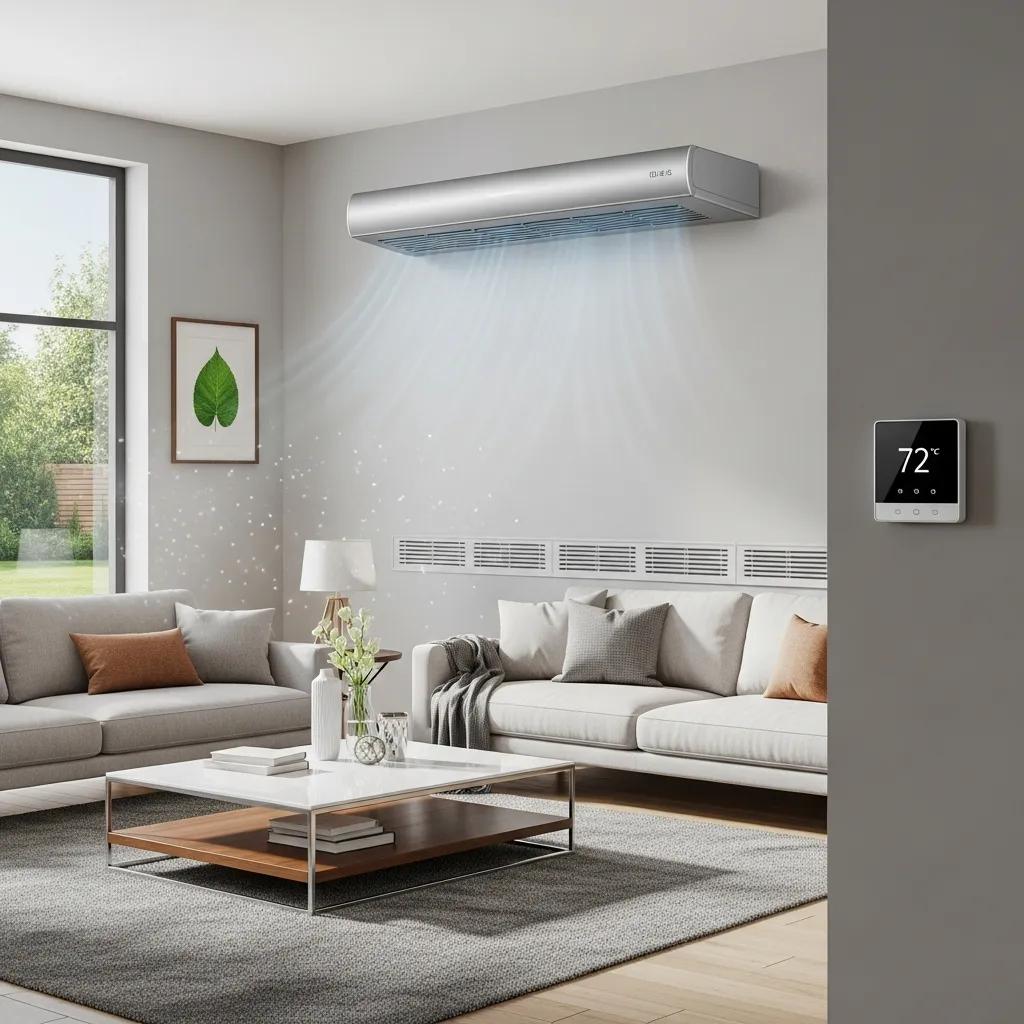
Energy-efficient HVAC systems do two things well: keep your space comfortable and use less energy doing it. In this guide we’ll walk through why efficiency matters, the systems and technologies that save you money, and the incentives and financing options that make upgrades easier. Whether you’re a homeowner or a small business owner, the right HVAC choices can lower bills, improve comfort, and reduce your environmental impact.
Choosing the most efficient equipment starts with understanding how your building uses energy. A system that performs well in one house or business may not be the best fit for another because of differences in insulation, occupancy patterns, window exposure, and existing ductwork or distribution systems. A professional load assessment and an energy audit help match equipment capacity and control strategies to actual needs, which prevents oversizing and ensures the efficiency gains you expect are realized in day-to-day operation.
What Are Energy Efficient HVAC Systems and Why Do They Matter?
Energy-efficient HVAC systems deliver heating, cooling, and ventilation while using less electricity or fuel. They rely on smarter components, better controls, and thoughtful design to cut waste—so your utility bills go down and your home or business uses fewer resources. In short: efficient systems keep people comfortable and reduce the carbon footprint tied to energy use, contributing to a more sustainable future.
How Do HVAC Energy Efficiency Ratings Like SEER and AFUE Impact Your Savings?
Manufacturers use ratings such as SEER (Seasonal Energy Efficiency Ratio) for air conditioners and AFUE (Annual Fuel Utilization Efficiency) for furnaces to compare efficiency. Higher numbers mean the system delivers the same comfort while using less energy. For example, a higher-SEERair conditioner can reduce cooling costs substantially versus older, lower-rated units, leading to noticeable savings on your utility bills.
When comparing models, consider ratings alongside the expected operating profile for your home or business. Systems that run frequently benefit more from higher efficiency ratings, while rarely used equipment may not deliver the same payback. Also factor in local climate, fuel prices, and expected maintenance costs, as these variables significantly influence the overall cost-effectiveness of your investment.
What Makes HVAC Systems Sustainable and Cost-Effective?
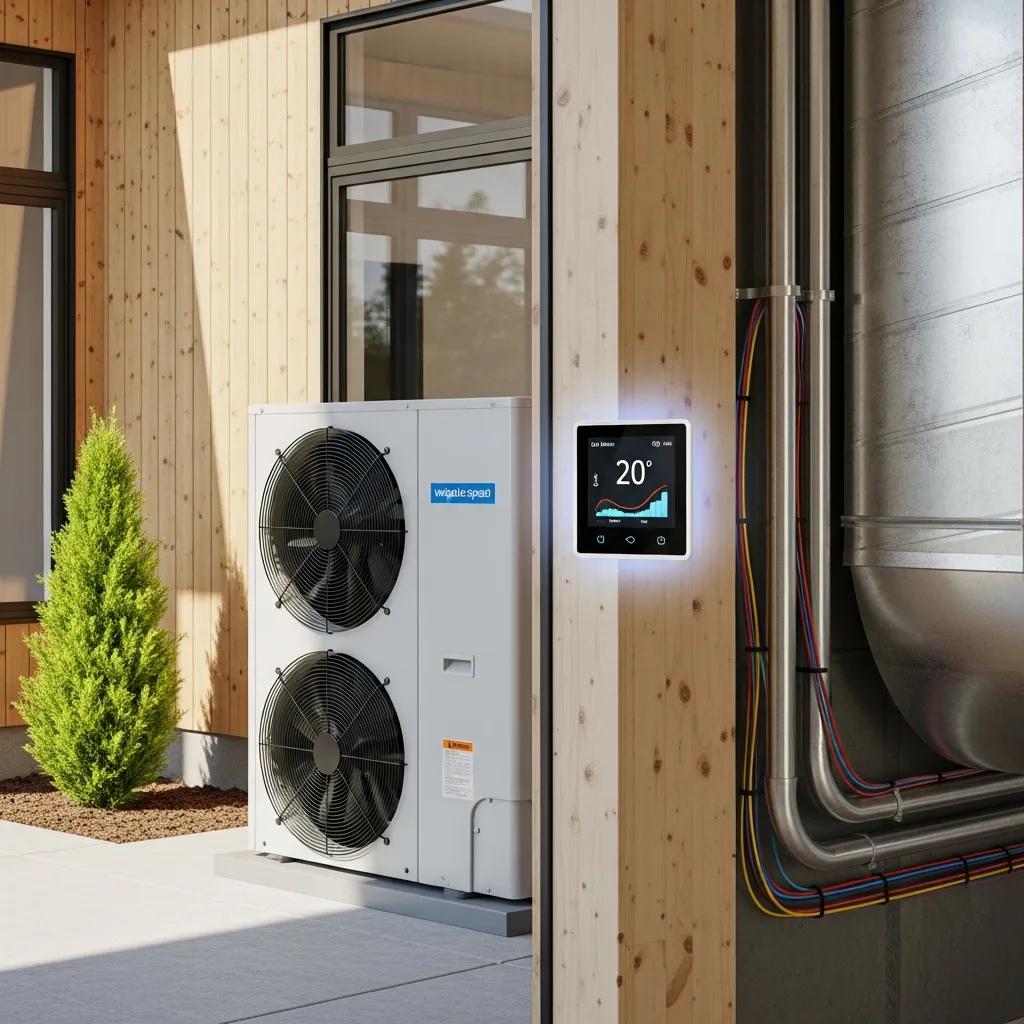
Sustainability comes from combining efficient hardware with smart controls: variable-speed motors, smart thermostats, better filters, and tighter ductwork. Those features reduce energy use, improve indoor air quality, and usually extend equipment life. Over time, sustainable choices mean fewer repairs, lower operating costs, and a smaller environmental impact, providing long-term value.
In practice, sustainable HVAC design looks beyond the equipment box. Properly sized ducts, well-sealed distribution pathways, and balanced airflow reduce wasted conditioning and help filtration work as intended. Upgrading insulation and sealing air leaks in the building envelope complements efficient equipment, so system runtimes shorten and comfort becomes more uniform throughout your space.
How Can High Efficiency HVAC Systems Reduce Your Energy Bills?
High-efficiency systems are built to avoid waste. They run smarter and longer where appropriate, so you get the same—or better—comfort using less energy. That translates directly to lower monthly bills, freeing up funds for other priorities.
Beyond lower operating costs, efficient systems often provide improved comfort through steadier temperatures and quieter operation. Features like variable-capacity compressors or blower motors adapt output to conditions instead of cycling on and off, reducing temperature swings and mechanical wear. Those operational improvements can also reduce maintenance frequency and improve occupant satisfaction, enhancing your overall living or working environment.
What Are the Advantages of High SEER Air Conditioners and High AFUE Furnaces?
High-SEER air conditioners and high-AFUE furnaces lower operating costs and often improve comfort. For example, a modern high-SEER unit can reduce cooling bills considerably compared with older systems, and high-AFUE furnaces can convert most of the fuel they use into heat—helping to reduce heating costs. Upfront investment typically pays back over a reasonable period through lower energy bills and fewer breakdowns, making it a wise long-term decision.
When evaluating these units, consider installation quality as part of the equation. Proper refrigerant charge, duct matching, ventilation balance, and controls integration all influence real-world efficiency. Request manufacturer performance curves and installation checklists from your installer, and ask for commissioning to verify the system meets expected performance after installation, ensuring optimal operation.
How Does Smart HVAC Technology Optimize Energy Use?
Smart HVAC tech gives you better control and insight. Programmable and learning thermostats, zoning controls, and remote access let you match heating and cooling to when and where it’s needed. Zoning keeps unused rooms from wasting energy; live usage data shows where you can trim waste, leading to more efficient operation and reduced utility expenses.
Smart controls also allow integration with other building systems. For example, thermostats that communicate with occupancy sensors or window sensors can reduce conditioning when spaces are unoccupied. Many systems offer scheduling, adaptive learning, and alerts that flag maintenance needs before efficiency drops, helping to prevent costly repairs and maintain peak performance.
Why Choose Advanced Heat Pump Technology for Year-Round Comfort?
Heat pumps move heat instead of creating it, which makes them a very efficient option for both heating and cooling. That approach often lowers energy use and operating costs across the year, especially in moderate climates. This innovative technology provides consistent comfort while significantly reducing your environmental footprint.
Heat pump designs have evolved to handle a wider range of conditions and to work well with modern controls. In colder climates, northern-oriented models and multi-stage heat pumps manage defrosting cycles and maintain comfort while minimizing supplemental heating. Work with a technician experienced in local climate performance to choose a heat pump modeled and configured for your area and load, ensuring optimal efficiency and reliability.
What Are the Differences Between Air-Source and Geothermal Heat Pumps?
Air-source heat pumps pull heat from the outside air and are generally easier and less expensive to install. Geothermal systems tap steady ground temperatures and usually deliver higher efficiency and lower running costs over time—but they need more space and a larger initial investment. Choosing between them depends on your budget, site, and long-term goals, as both offer distinct advantages.
When considering geothermal, factor in site disruption during installation and the long-term savings horizon. For air-source systems, evaluate available clearances, condenser location, and noise considerations. Both technologies pair well with modern controls and can be combined with existing distribution systems in many retrofit scenarios when sized and installed correctly, offering versatile solutions.
How Does Heat Pump Maintenance Enhance Energy Efficiency?
Regular maintenance keeps heat pumps running efficiently. Simple tasks—cleaning or replacing filters, checking refrigerant levels, inspecting ductwork—prevent performance losses and extend equipment life. Homeowners who stay on top of maintenance usually see reduced energy bills and fewer service calls, ensuring their system operates reliably.
A seasonal checklist helps ensure nothing is missed: inspect outdoor units for debris, verify airflow and fan operation, confirm thermostat calibration and control schedules, and review condensation removal and drainage. Keeping records of service visits and changes in performance makes it easier to identify gradual declines so fixes can be made before efficiency drops significantly, protecting your investment.
What Are the Benefits of Ductless Mini-Split Systems for Zoned Heating and Cooling?
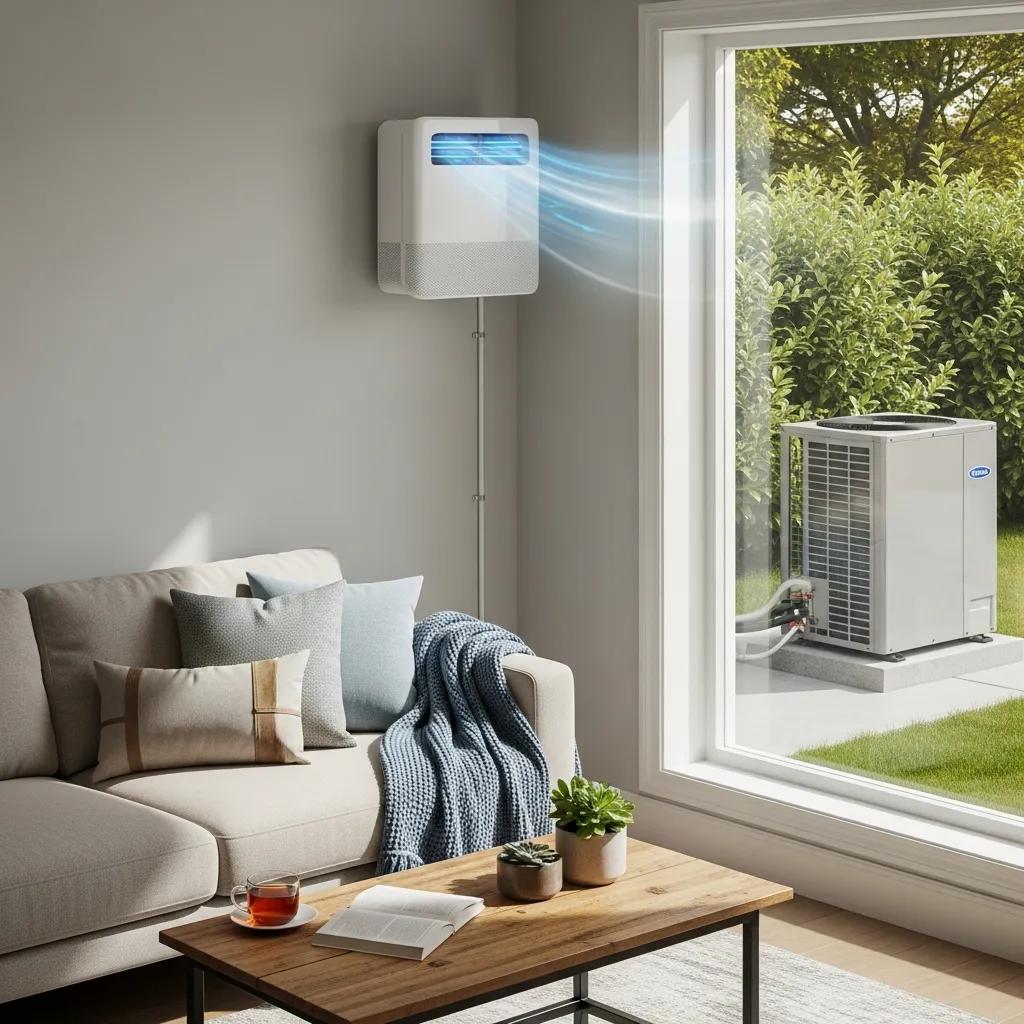
Ductless mini-splits give you room-by-room temperature control without the need for ductwork. An outdoor compressor connects to one or more indoor units, so you can heat or cool only the spaces you use—saving energy and improving comfort. This targeted approach can lead to substantial energy savings compared to traditional central systems.
How Do Mini-Split Systems Improve Energy Savings and Comfort?
Mini-splits save energy by heating or cooling only occupied areas. They also offer precise temperature control and reduce the swings in comfort that come with older systems. The result is a more consistent indoor environment and lower energy use, enhancing overall comfort and reducing utility expenses.
Placement of indoor units affects both comfort and efficiency. Installers aim for locations that provide broad, gentle airflow without blowing directly on occupants. Noise levels, aesthetics, and easy access for filter changes are also part of a practical installation plan, ensuring optimal performance and user satisfaction.
What Should You Know About Mini-Split Installation and Proper Sizing?
Correct sizing and professional installation matter with mini-splits. A unit that’s too small won’t keep up; one that’s too large will short-cycle and waste energy. Talk with HVAC professionals to pick the right capacity and placement so the system performs efficiently and lasts longer, maximizing your investment.
During installation, look for attention to refrigerant charge, mounting that minimizes vibration and noise, and a tidy line-set run that protects refrigerant lines. Proper commissioning and a short demonstration of control features ensure you understand how to operate the system for maximum efficiency, including basic maintenance tasks like filter access and cleaning, empowering you as a homeowner.
How Does Regular HVAC Maintenance Maximize Energy Savings and System Lifespan?
Routine service keeps systems efficient and catches small problems before they turn into big repairs. Regular inspections and tune-ups help systems run cleaner, use less energy, and last longer. This proactive approach ensures your HVAC system operates at peak performance, saving you money and extending its lifespan.
Below is a practical seasonal maintenance checklist that owners can use between professional visits:
- Replace or clean filters monthly or as recommended by the manufacturer. Clean filters keep airflow strong and systems efficient. Dirty filters make equipment work harder and raise energy use, leading to higher utility bills and potential system strain.
- Inspect and seal accessible duct joints and register connections. Look for gaps and seal them. Leaky ducts can significantly reduce system efficiency and drive up bills, wasting conditioned air and increasing energy consumption.
- Clear vegetation and debris from around outdoor equipment to maintain airflow. Ensure proper clearance around the unit. Blocked airflow can hinder performance and increase energy consumption, putting unnecessary stress on your system.
- Test thermostat schedules and sensors; recalibrate if temperatures feel inconsistent. Verify that your thermostat is functioning correctly. Accurate temperature readings and schedules are crucial for maintaining comfort and optimizing energy use.
- Check condensate drains and pans for clogs and proper drainage. Ensure water can drain freely. Clogged drains can lead to water damage and affect system efficiency, potentially causing costly repairs.
- Listen for unusual noises during startup and operation and report them to your service provider. Strange sounds can indicate underlying issues. Addressing these promptly can prevent minor problems from escalating into major breakdowns.
What Are the Key Features of Our HVAC Maintenance Plans?
Our HVAC maintenance plans include seasonal inspections, filter checks and replacements, safety and performance testing, and priority scheduling. Members get discounts on repairs and the reassurance that their system is being cared for by trained technicians. These comprehensive plans are designed to keep your system running smoothly and efficiently year-round.
Members also receive documented visit reports that note measured operating parameters and any adjustments made. Those records make it easier to track efficiency trends and to plan replacements at the right time, avoiding emergency replacements and unexpected high costs. This transparency helps you make informed decisions about your HVAC investment.
What DIY Energy Saving Tips Can You Use Between Professional Tune-Ups?
- Regularly Change Filters: Clean filters keep airflow strong and systems efficient. Dirty filters make equipment work harder and raise energy use, leading to higher utility bills and potential system strain.
- Seal Ductwork: Look for gaps and seal them. Leaky ducts can significantly reduce system efficiency and drive up bills, wasting conditioned air and increasing energy consumption.
- Use Programmable Thermostats: Set schedules to avoid heating or cooling empty rooms. Small adjustments day-to-day add up to real savings, ensuring you only condition your space when it’s needed.
What Financing and Incentive Options Make Energy Efficient HVAC Upgrades Affordable?
Upgrading can be a meaningful investment, but financing and rebates help spread costs and reduce initial expenses. There are local, state, and federal programs designed to make efficient equipment more affordable. Exploring these options can significantly reduce the financial burden of upgrading your system.
Typical steps to take when pursuing rebates or incentives include: documenting the existing equipment with photos and model numbers, obtaining a written proposal that specifies eligible equipment and performance metrics, and retaining receipts and contractor paperwork after installation. Your installer can often help identify eligible programs and may handle portions of the application, but keeping clear records ensures you can claim available credits or rebates without delays, streamlining the process.
Which Local and Federal Rebates Are Available for Energy Efficient HVAC Systems?
Many programs offer rebates or tax credits for high-efficiency equipment. These incentives can reduce the initial outlay for new systems—check local utility and state programs as well as federal opportunities like credits under the Inflation Reduction Act. Taking advantage of these programs can make advanced HVAC technology more accessible and affordable for your home or business.
How Do Flexible Financing Plans Help You Upgrade Without Financial Strain?
Flexible financing spreads the cost of new HVAC equipment into manageable monthly payments. Many providers offer low-interest options that let you start saving on energy bills right away while paying for the upgrade over time. This approach makes it easier to invest in energy-efficient solutions without significant upfront financial strain.
When considering financing, review the total cost over the term, any prepayment penalties, and whether the plan includes service agreements or warranties that protect your investment. Combining incentive dollars with a sensible financing plan can make higher-efficiency choices accessible without compromising other household or business priorities, ensuring a smart financial decision.
How Does Absolute Comfort HVAC Deliver Trusted Energy Efficient HVAC Solutions in Wisconsin?
At Absolute Comfort HVAC we focus on practical, reliable solutions tailored for homes and light commercial properties across Southeast Wisconsin. We combine local knowledge with experience to recommend systems that balance comfort, efficiency, and budget. Our goal is to provide you with an HVAC solution that perfectly fits your unique needs and delivers lasting value.
Our process begins with a site visit and an assessment of existing systems, followed by a clear proposal that outlines recommended equipment, expected benefits, and the installation timeline. We coordinate permits, schedule inspections as required, and provide a post-installation walkthrough so owners understand how to operate controls and perform basic upkeep. Clear communication and documented work help ensure installations meet both safety and efficiency expectations, giving you peace of mind.
What Sets Absolute Comfort HVAC Apart in Energy Efficient Installations?
We prioritize personalized service and proven installation practices. We’ll work with you to assess your needs, recommend the right equipment, and install it to perform as intended. Our technicians stay current with the latest efficiency standards and installation best practices, ensuring you receive top-tier service and optimal system performance.
We also provide guidance on options such as zoning, smart controls, and staged equipment that can deliver better comfort and improved efficiency for specific building types. Where appropriate, we coordinate with insulation and building envelope contractors to ensure the system and the structure work together for the best outcome. This holistic approach guarantees maximum energy savings and comfort for your property.
How Can You Get Started with Your Energy Efficient HVAC Upgrade Today?
Ready to upgrade? Contact Absolute Comfort HVAC to schedule a consultation. We’ll review your current system, explain options, and help you choose the most cost-effective path forward—one that delivers comfort and energy savings. Our experts are here to guide you every step of the way.
Before the visit, gather recent energy bills, note any comfort complaints or uneven rooms, and list equipment ages and model numbers if available. That information speeds the assessment and helps the consultant propose the most practical, high-value improvements for your home or business. Being prepared ensures a more efficient and tailored consultation experience.
Take the Next Step Towards Energy Savings and Comfort!
Choosing energy-efficient HVAC systems reduces utility bills, improves comfort, and supports a healthier environment. By understanding equipment ratings, smart technologies, and available incentives, you can make upgrades that pay off over time. Contact Absolute Comfort HVAC to explore the best, most practical options for your home or business.
Start with an audit, consider prioritized improvements that deliver the biggest near-term savings, and plan for regular maintenance to keep systems operating efficiently for years. Thoughtful decisions now deliver lower running costs and a more comfortable indoor environment over the long term. Investing in efficiency today means enjoying significant benefits for years to come.